Funny Ultrasound Tech Nutrition Facts Design Review
As an embroidery designer who has spent years digitizing and testing files for small business owners, I approach every new machine embroidery design with a critical eye. It is not just about whether the image looks cute on a screen; it is about how that embroidery file behaves under the needle, how it wears after washing, and whether it adds genuine value to a handmade product. Recently, I evaluated the Funny Ultrasound Tech Nutrition Facts design, a piece of digital art that blends medical humor with pop-culture aesthetics. This review breaks down its practical application for crafters, Etsy sellers, and apparel decorators looking to expand their inventory.
First Impressions and Visual Personality
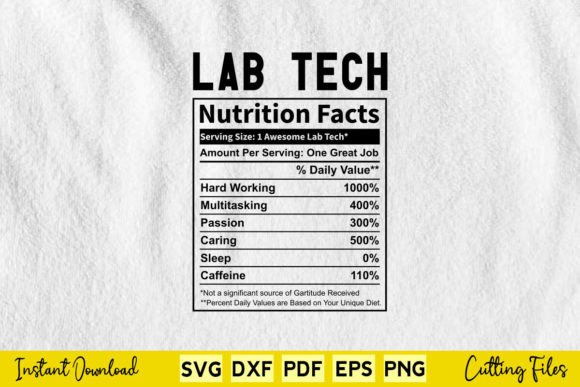
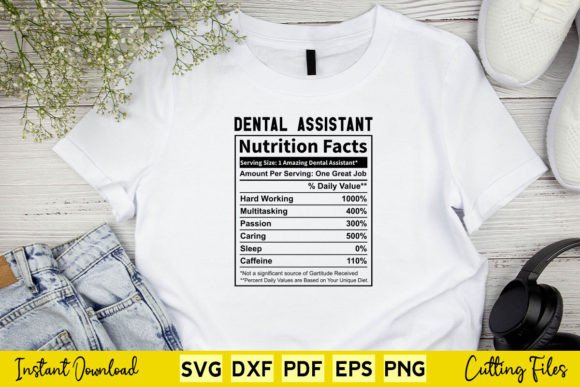
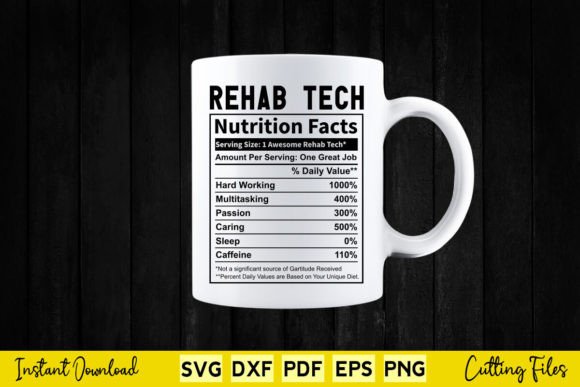
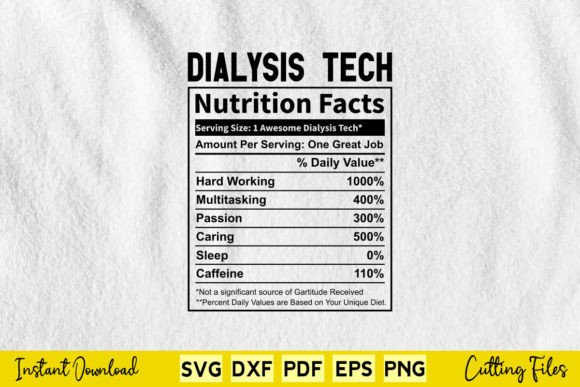
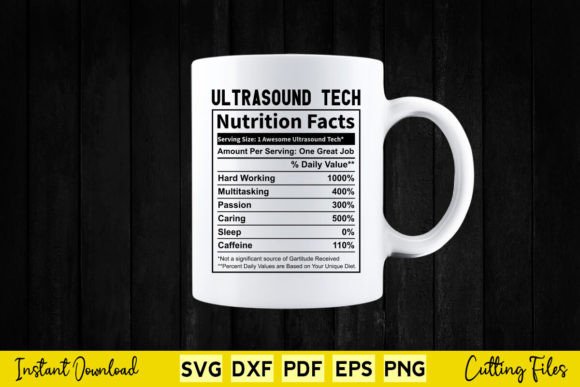
The first thing that strikes you about the Funny Ultrasound Tech Nutrition Facts graphic is its clever juxtaposition. By mimicking the familiar layout of a food nutrition label but tailoring the content to ultrasound technicians, the design creates an immediate sense of insider humor. For those in the medical field, this is not just a pattern; it is an identity marker. The mood is lighthearted yet professional, making it suitable for both casual wear and workplace morale gifts.
From a design perspective, the layout relies heavily on typography and structured lines. In the world of Crafts and Graphics, text-heavy designs can be tricky. However, the clean, bold lines of this specific concept suggest that it can translate well into stitch work if handled correctly. The visual personality is modern and witty, appealing directly to a niche audience that often struggles to find apparel that accurately reflects their profession without being overly clinical or sterile.
Real-World Application Scenarios
To truly understand the potential of this design, I imagined a real-life scenario: preparing a custom order for a local hospital’s sonography department holiday party. The client wanted custom apparel that was fun enough for a party but durable enough for daily wear. I considered using this design on a high-quality fleece sweatshirt embroidery project. The contrast between the soft, textured fabric and the crisp, linear nature of the nutrition facts label creates a pleasing tactile experience.
Beyond sweatshirts, this design has versatility. It works exceptionally well as a tote bag design for carrying textbooks or shift essentials. Imagine a sturdy canvas tote with this graphic stitched in contrasting thread colors; it becomes a functional personalized gift that stands out in a sea of generic medical merchandise. It also fits naturally into the category of baby embroidery items, such as onesies or bibs for the children of ultrasound techs, adding a layer of family pride to the profession.
Technical Considerations for Stitching
While the concept is strong, the execution requires attention to detail. Because this design is fundamentally text-based and structural, it differs significantly from a floral applique design or a shaded portrait. Here are the key technical factors I observed during my evaluation:
- Stitch Type and Density: The horizontal lines and text blocks will likely require a combination of satin stitch for smaller elements and fill stitch for larger background areas. It is crucial to check the stitch density to prevent puckering, especially on thinner fabrics like t-shirts.
- Legibility: Tiny lettering can get lost in embroidery. If the original SVG or digital file has very small text, you may need to simplify the design or increase the hoop size to ensure the "nutrition facts" remain readable after stitching.
- Fabric Texture: On textured fabrics like terry cloth towels or fuzzy hoodies, fine details can disappear. This design performs best on smooth, stable fabrics such as cotton twill, denim, or high-thread-count polo shirts.
- Stabilizer Choice: Given the linear nature of the design, using a cut-away stabilizer is recommended for garments that will undergo frequent washing. This ensures the design retains its shape and does not distort over time.
Where to Use Caution
Not every surface is ideal for this specific graphic. I would advise against using this design on curved surfaces like caps unless you have significant experience with cap frames and tension adjustment. The rigid structure of the nutrition label can warp easily on a curved brim. Additionally, avoid placing it on highly stretchy fabrics without proper stabilization, as the running stitch outlines may break or gap if the fabric stretches excessively during wear.
Dark fabrics present another challenge. If you are stitching white or light-colored thread on black fabric, you must ensure high contrast and potentially use an underlay stitch to prevent the dark fabric from showing through the lighter threads. Always test the design on scrap fabric first to verify thread colors and tension before committing to the final finished product.
Commercial Value and Brand Consistency
For Etsy sellers and small shop product creators, this design offers a unique selling proposition. It targets a specific professional niche with humor, which drives engagement and shares on social media. When used in commercial embroidery projects, it enhances brand consistency for shops specializing in medical gifts. It moves beyond generic stethoscope imagery, offering something fresh and conversation-starting.
The design also lends itself well to printable mockup creation. Before stitching, you can create digital previews to show clients how the design looks on different items. This reduces waste and helps customers visualize the embroidered patch or direct-stitched item before purchase. Whether you are creating holiday embroidery gifts or year-round design assets, this graphic adds a layer of professionalism and wit that buyers appreciate.
Final Designer Notes
Before integrating Funny Ultrasound Tech Nutrition Facts into your workflow, remember that it is a digital product intended for printing or embroidery conversion. Always verify the licensing terms provided by the creator to ensure you are compliant when selling finished products. Check the file format compatibility with your embroidery machine software, as SVG files may need conversion to DST, PES, or other native formats.
Test the design in both color and black-and-white mockups to gauge its impact. Compare how it looks on light versus dark backgrounds to determine your standard thread colors. By treating this graphic with the same rigor as any high-end embroidery project, you can deliver a product that is not only funny but also professionally crafted and durable. This balance of humor and quality is what turns a one-time buyer into a loyal customer for your craft business.