Funny Lab Tech Nutrition Facts SVG Review
As a designer who has spent countless hours digitizing and testing embroidery files, I approach every new machine embroidery design with a mix of curiosity and skepticism. We have all been there: you download a file that looks crisp on the screen, only to find it turns into a puckered mess or an unreadable blob once it hits the fabric. Recently, I evaluated the Funny Lab Tech Nutrition Facts Svg to see if it holds up under the needle for real-world projects. This is not just about whether the graphic is cute; it is about whether it functions as a viable embroidery file for professional results.
First Impressions and Visual Personality
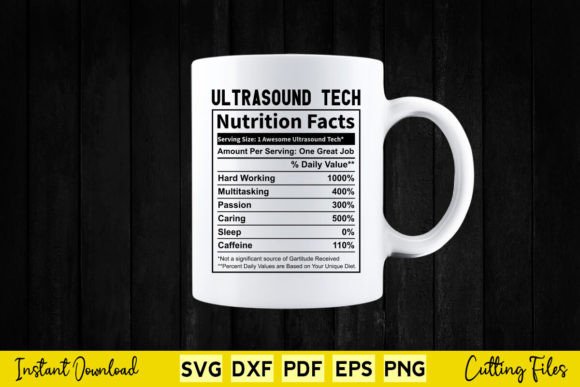
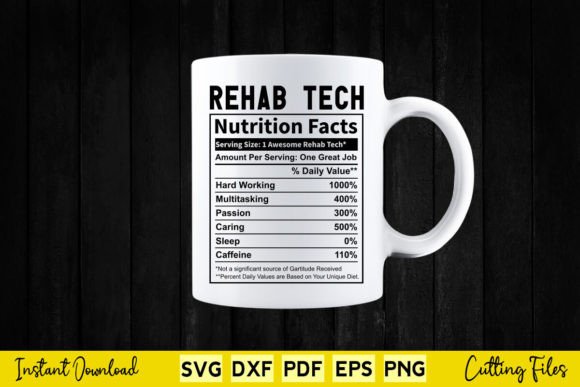
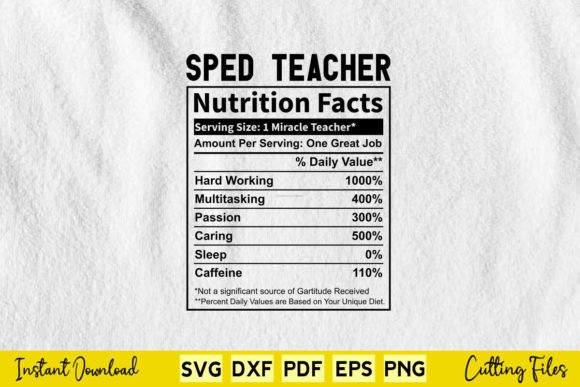
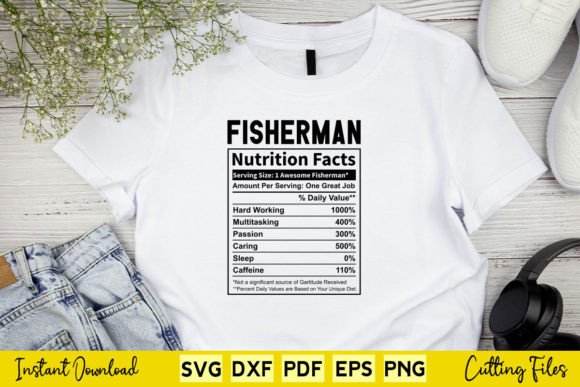
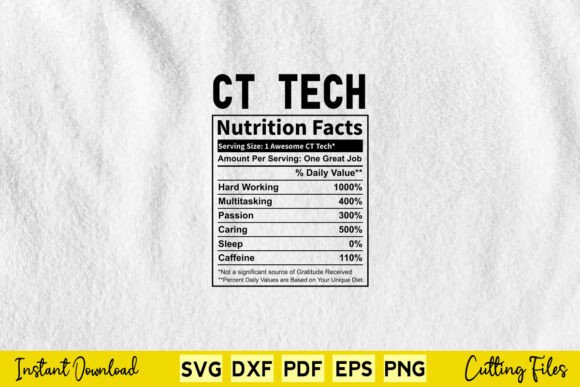
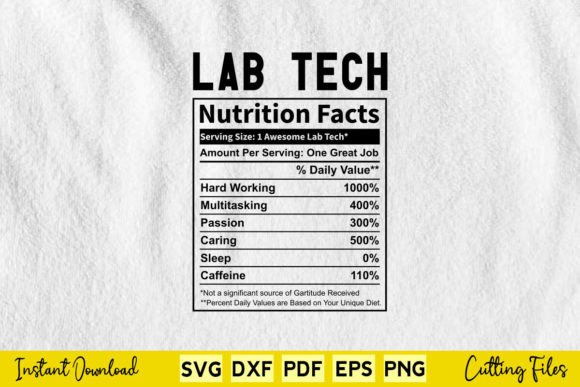
The concept behind this design is immediately engaging. It mimics the familiar "Nutrition Facts" label found on food packaging but replaces the standard data with humorous, science-themed metrics relevant to laboratory technicians. The mood is playful yet professional, striking a balance that appeals to scientists who take pride in their work but do not take themselves too seriously. Visually, the layout relies heavily on clean lines and structured typography. For an embroidery project, this presents both an opportunity and a challenge. The strong horizontal lines provide a solid framework, but the small text requires precise digitizing to remain legible after stitching.
When I first loaded the preview, I looked for clarity in the font weights. In Graphics meant for print, thin lines are fine. In embroidery, they are risky. This design appears to use bold, sans-serif typography which is ideal for maintaining readability. The visual personality suggests it belongs on items where humor and identity intersect, such as custom apparel for lab staff or personalized gifts for graduates entering the field.
Real-World Application Scenarios
To truly test the versatility of the Funny Lab Tech Nutrition Facts Svg, I imagined several production scenarios. The most obvious application is sweatshirt embroidery. A heather grey crewneck with this design centered on the chest would make a fantastic uniform alternative for casual lab days or team events. The rectangular shape of the design fits naturally within standard hoop sizes, allowing for a clean presentation without excessive trimming.
Another strong candidate is the tote bag design. Canvas totes are popular among students and professionals for carrying laptops and notebooks. Embroidering this design on a sturdy cotton canvas adds texture and perceived value compared to a simple vinyl heat press. It transforms a generic bag into a handmade product with character. I also considered its use on aprons. For lab technicians who might also teach or demonstrate, a high-quality embroidered apron serves as both protection and a conversation starter.
For Etsy sellers and small shop owners, this design offers excellent potential for holiday embroidery gifts. Think of it as a unique stocking stuffer or a graduation present. It could also be scaled down for an embroidered patch, which can then be ironed or sewn onto backpacks, lab coats, or jean jackets. This modularity increases the commercial viability of the asset, allowing creators to offer multiple product types from a single digital purchase.
Technical Considerations for Stitching
While the concept is strong, the execution depends entirely on how the file is digitized. Since this is a text-heavy design, stitch density is critical. If the fill stitch areas are too dense, the fabric will pucker, especially on lighter materials. Conversely, if the density is too low, the backing fabric may show through, ruining the clean "label" aesthetic. I recommend using a cut-away stabilizer for garments that will be washed frequently, as it provides better long-term support than tear-away options.
Thread color choice plays a massive role here. To mimic the real nutrition label, you need high contrast. Black thread on white fabric is the standard, but consider dark navy on light grey for a softer, more boutique look. Avoid using satins stitch for the larger background blocks unless the digitizer has included proper underlay stitches to prevent shifting. Running stitches should be used for any fine border details to keep the profile flat and comfortable against the skin.
Be cautious with curved surfaces. Placing this rectangular design on a cap or a rounded mug requires careful hooping. On a cap, the curvature can distort the straight lines of the table, making the text appear warped. If you are doing custom apparel like hats, ensure you use a stiff buckram stabilizer to maintain the shape of the design during stitching.
Navigating Fabric and Size Constraints
One of the biggest risks with this type of design is the size of the lettering. If you attempt to shrink the Funny Lab Tech Nutrition Facts Svg to fit a small hoop, such as a 4x4 inch frame for baby clothes or pocket logos, the text may become illegible. The tiny percentages and footnotes in the nutrition label format are particularly vulnerable. I advise testing the design on scrap fabric at your intended size before committing to a final product. Check if the smallest text merges into a solid block of thread.
Fabric texture also matters. On terry cloth towels or fluffy fleece, the small details can get lost in the pile. For these textures, consider using an applique technique where the main body of the label is a piece of white fabric stitched down, with only the black text embroidered on top. This reduces stitch count and improves clarity on textured surfaces. For smooth fabrics like polo shirts or tight-weave cotton, direct embroidery works best.
Commercial Value and Brand Consistency
For craft business owners, the appeal of this design lies in its niche specificity. It targets a professional group that is often underserved in the gift market. By offering a well-executed version of this design, you build trust with customers who are looking for quality design assets that reflect their profession accurately. A sloppy embroidery job can damage brand consistency, so ensuring clean trims and proper tension is essential.
When creating printable mockup previews for your online store, show the design on various backgrounds. Display it on a white lab coat, a dark hoodie, and a canvas tote. This helps buyers visualize the finished product and increases buyer engagement. Remember, since this is a digital product, you are selling the potential for creation. Your presentation must convince the buyer that the file is easy to use and produces professional results.
Final Designer Notes
Before you start stitching, always verify the license terms. Ensure that the digital embroidery file allows for commercial use if you plan to sell the physical items. Check the included formats to ensure compatibility with your specific machine software. Test the design in black and white first to judge contrast without the distraction of color. Use the right stabilizer for your fabric weight, and never skip the test stitch on scrap material. With careful attention to detail, the Funny Lab Tech Nutrition Facts Svg can be a standout addition to your portfolio, offering both fun and functionality for your next embroidery project.