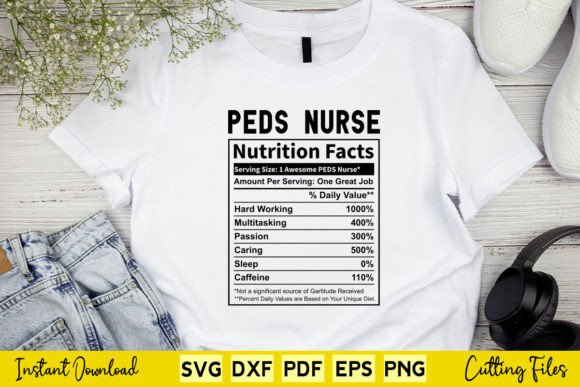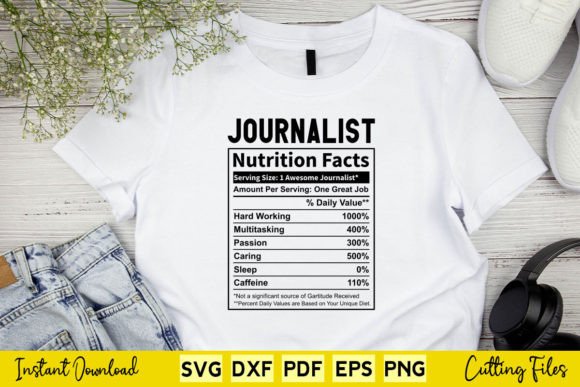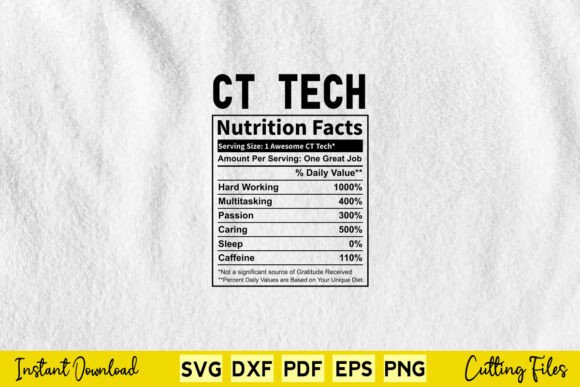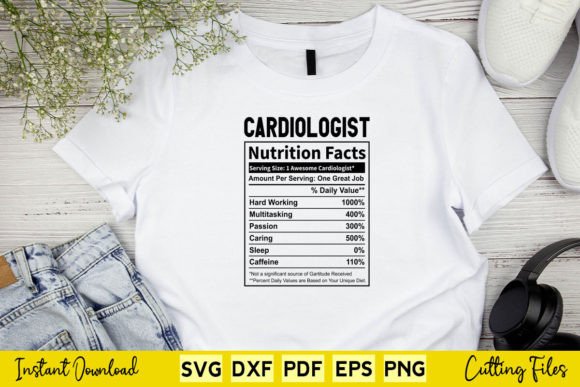
Reviewing the Funny Sonographer Nutrition Facts SVG
As a designer who spends half my life digitizing and the other half stitching, I have learned that not every graphic translates well to thread. We often see Funny Sonographer Nutrition Facts Svg trending in digital marketplaces, marketed heavily for print-on-demand t-shirts and mugs. But for those of us in the embroidery world, the question is always different: will this design hold up under the needle? Does it have the structural integrity to look professional on a finished product, or will it turn into a tangled mess of loose threads?
I recently pulled this file to test on a custom order for a local clinic’s appreciation event. The client wanted personalized gifts for their ultrasound technicians, and while the concept was charming, my job was to ensure the execution matched the sentiment. Here is my practical breakdown of how this design performs in real-world embroidery scenarios.
First Impressions and Visual Personality
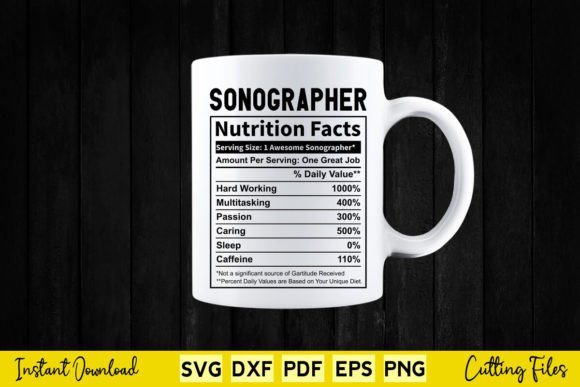
The initial appeal of the Funny Sonographer Nutrition Facts Svg lies in its clever layout. It mimics the familiar FDA nutrition label but replaces calories and vitamins with sonography-specific humor. Visually, it relies heavily on typography and clean lines. For a printer, this is easy. For an embroiderer, text-heavy designs are notoriously tricky. The mood is lighthearted and professional, making it ideal for custom apparel intended for workplace wear or casual outings.
However, the density of the text blocks raises immediate flags. In Crafts and Graphics, we often overlook how small font sizes behave when converted to stitches. My first instinct was to check if the smaller disclaimer text at the bottom would be legible once stitched out. If the original vector has tiny lettering, it may require significant resizing or simplification before it becomes a viable machine embroidery design.
Real-World Application: The Sweatshirt Test
To evaluate its practicality, I chose a mid-weight cotton blend sweatshirt as my test canvas. This is a common item for Etsy sellers and small shop products because it offers a stable surface. I hooped the area with a medium-cut stabilizer to prevent puckering, which is a common risk with dense text designs.
The result was mixed but promising. The larger headers, such as "Serving Size" and the main humorous metrics, stitched out cleanly using a standard satin stitch or tight fill stitch, depending on the digitization. These areas provided good coverage and high contrast against the fabric. However, the finer details required careful attention. On a curved surface like a sleeve or a cap, this design would struggle. The rigid rectangular shape of the nutrition label does not conform well to complex curves, leading to potential distortion. Therefore, I recommend sticking to flat surfaces like the chest of a tote bag design, the back of a jacket, or a straight panel on an apron.
Challenges with Fabric and Texture
One must consider fabric texture when using this asset. On fluffy towels or textured knits, the small text can get lost. The loops of the fabric may obscure the thin lines of the letters. For baby embroidery items, where softness is paramount, this design might be too dense and stiff. A lighter touch, perhaps using running stitch for outlines rather than heavy fills, could mitigate this, but it depends entirely on how the embroidery file was originally created.
If you are working with dark fabrics, thread color contrast becomes critical. White or light gray threads on navy or black fabric work well, but you must ensure the stitch density is high enough to cover the background without leaving gaps. Conversely, on light fabrics, ensure your thread colors are vibrant enough to stand out. Always test your thread colors on scrap fabric before committing to the final finished product.
Commercial Viability and Customer Trust
For commercial embroidery projects, consistency is key. Customers buying a personalized gift expect a certain level of polish. If the text is blurry or the edges are frayed due to poor digitization, it reflects poorly on your brand. The Funny Sonographer Nutrition Facts Svg has high giftability factor because it speaks directly to a niche profession. Sonographers love inside jokes, and this design taps into that community spirit effectively.
However, as a craft business owner, you must verify the licensing. Since this is sold as a digital product for printing on items like t-shirts and mugs, the license may not automatically cover machine embroidery resale. Always confirm whether the creator allows you to sell physical items made with their digital embroidery file. Using unlicensed assets can lead to legal issues and damage your reputation as a professional Etsy seller.
Practical Designer Notes
Before you load this into your machine, keep these technical considerations in mind:
- Check Stitch Density: Text-heavy designs can become stiff. Ensure the digitizer has used appropriate underlay stitches to stabilize the text without making it feel like a plastic patch.
- Hoop Size Matters: Verify that the design fits within your standard hoop sizes. If it is too large for a 5x7 hoop, you may need to resize it, which could affect the readability of the smaller text.
- Test on Scrap Fabric: Never skip this step. Run a test stitch-out to check for thread breaks or nesting, especially in the corners of the rectangular border.
- Mockup Verification: Create black and white mockups to see if the design holds its shape without color reliance. This helps identify if the contrast is sufficient for various fabric backgrounds.
- Inspect Small Details: Zoom in on the vector file. If the lines are too thin, they may not translate well to thread. You might need to manually adjust the width of certain elements in your digitizing software.
Final Verdict for Makers
The Funny Sonographer Nutrition Facts Svg is a strong candidate for holiday embroidery gifts or staff appreciation items, provided it is handled with technical care. It is not a "load and go" design for beginners. It requires an understanding of how text behaves in thread. For apparel decorators and handmade product creators, it offers a unique selling point if executed correctly.
If you are selling design assets or finished goods, ensure you are transparent about the limitations. Offer it on sturdy fabrics like canvas totes or heavyweight cotton tees. Avoid stretchy materials unless you have extensive experience with stabilizers. When done right, this design adds a layer of professionalism and humor that resonates with buyers. It transforms a simple embroidered patch or shirt into a conversation starter.
Remember, the value of your craft business lies in the quality of the finish. Take the time to refine the file, choose the right stabilizer, and respect the material. This approach ensures that your custom apparel stands out in a crowded marketplace, building trust and encouraging repeat customers. Whether you are creating a wedding gift for a sonographer friend or stocking your boutique with niche humor, this design has potential—but only if you treat it with the precision it demands.