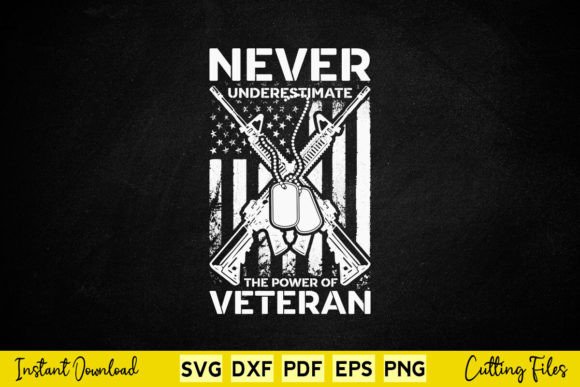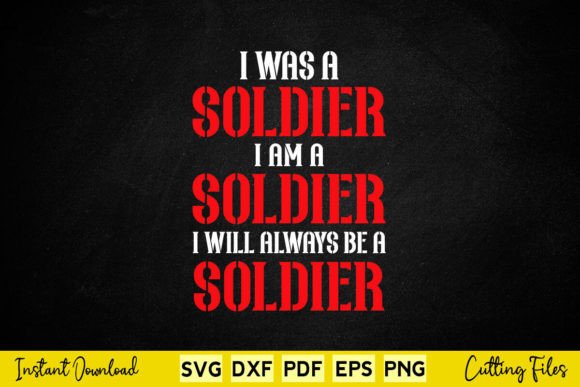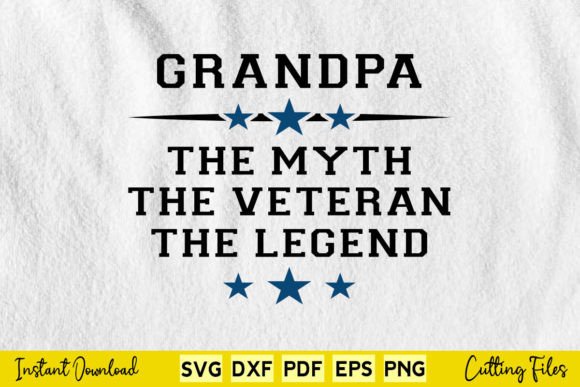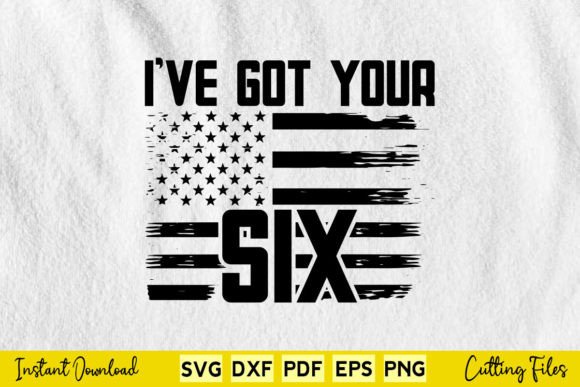
Reviewing the Dad, Grandpa, and Veteran Design
As a designer who has spent countless hours digitizing and testing patterns for real-world application, I approach every new machine embroidery design with a critical eye. It is not enough for a graphic to look good on a screen; it must hold up under the needle, survive the wash cycle, and resonate with the person wearing or using the final item. Recently, I evaluated the I m a Dad a Grandpa and a Vietnam Vetera file to determine its viability for commercial and personal projects. This review breaks down how this specific Graphics asset performs when translated from a digital concept into a tangible, stitched reality.
First Impressions and Visual Personality
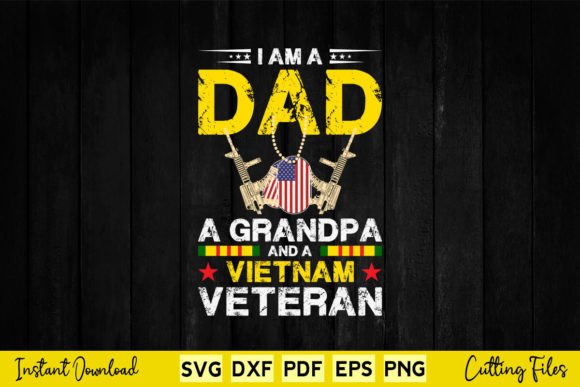
The immediate mood of the I m a Dad a Grandpa and a Vietnam Vetera design is one of quiet pride and layered identity. It does not scream for attention with aggressive military imagery but instead focuses on the human roles that define the wearer. For an embroidery project, this narrative depth is crucial. When I first loaded the file into my editing software, I looked at the layout and spacing. The combination of familial titles with veteran status creates a unique visual personality that appeals to a specific demographic: men who value their service history equally with their role as family patriarchs.
In the context of Crafts, this type of design bridges the gap between patriotic merchandise and heartfelt family gifts. It feels appropriate for a wide range of applications because it avoids overly complex shading or photorealistic details that often fail in embroidery. Instead, it relies on clear typography and symbolic elements that translate well into thread. This simplicity is a strength, ensuring that the message remains legible even from a distance.
Real-World Application Scenarios
To truly understand the value of an embroidery file, you must imagine it on actual products. I visualized this design on several items to test its versatility. The most natural fit is undoubtedly custom apparel. Imagine this stitched onto the left chest of a high-quality cotton polo or the center back of a heavy-weight hoodie. The text-heavy nature of the design allows it to stand out against solid colors, making it ideal for sweatshirt embroidery where large, bold statements are common.
Beyond clothing, I considered its use in home goods. A tote bag design featuring this motif would make a compelling gift for Father’s Day or Veterans Day. The flat surface of a canvas tote provides an excellent foundation for the stitch work, allowing the thread colors to pop without the distortion that can occur on curved surfaces. Additionally, this could serve as a standout personalized gift when applied to a durable pillow cover or a kitchen towel, turning everyday items into conversation pieces that honor the recipient’s life journey.
Performance on Different Fabrics
The success of any embroidery project depends heavily on the substrate. For the I m a Dad a Grandpa and a Vietnam Vetera design, fabric choice is paramount. On stable, woven fabrics like denim or twill, the design should stitch out cleanly with minimal puckering. However, when working with stretchy materials like jersey knits for t-shirts, extra care is required. I recommend using a cut-away stabilizer to support the stitches and prevent the fabric from distorting around the lettering.
Textured fabrics present another challenge. If you are stitching this onto a fluffy fleece or a thick towel, the smaller details might get lost in the pile. In such cases, increasing the stitch density slightly or opting for a satin stitch border around key elements can help define the shape. For dark fabrics, ensure you have high-contrast thread colors. A white or light gray thread on navy or black fabric will ensure readability, whereas low-contrast combinations may render the text illegible.
Technical Considerations for Stitching
From a technical standpoint, this design appears to rely on standard stitch types that are reliable for most machines. You will likely encounter a mix of running stitch for outlines and fill stitch for larger solid areas. It is essential to check the stitch direction in your software before hitting start. Proper underlay stitching is critical to anchor the design and prevent shifting, especially if you are producing multiple units for a craft business.
One area requiring careful attention is the hoop size. Ensure that your machine’s hoop can accommodate the full dimensions of the design without needing to reposition. Re-hooping mid-design can lead to alignment issues that ruin the professional look of the finished product. If the design includes small text, verify that your needle and thread combination is fine enough to capture the detail without breaking. A 40-weight polyester thread is usually a safe bet for durability and sheen, but a 60-weight thread might be necessary for finer details if the design permits.
Avoiding Common Pitfalls
While this design is versatile, there are situations where it should be used with caution. Avoid placing it on very thin or slippery fabrics like silk or rayon without extensive stabilization, as the needle perforations can become visible and weaken the material. Also, be mindful of curved surfaces like caps. While possible, stitching complex text on a cap requires a specialized cap frame and experience to prevent distortion. For beginners, sticking to flat items like aprons, embroidered patch blanks, or tote bags is a safer route to ensure a high-quality result.
Commercial Viability and Brand Consistency
For Etsy sellers and small shop owners, this design offers strong commercial potential. It taps into evergreen markets: fatherhood, grandfatherhood, and military service. These themes drive consistent search volume and sales throughout the year, with spikes during holidays. When creating printable mockup images for your online store, show the design on diverse products to appeal to different buyer intents. A mockup showing the design on a rugged canvas bag appeals to a different customer than one showing it on a soft baby onesie, even if the latter is less common for this specific text.
Brand consistency is also key. If your shop specializes in patriotic or family-oriented design assets, this file fits seamlessly into your catalog. It enhances customer trust by offering a product that feels thoughtful and well-crafted. Buyers engage more with listings that show realistic, high-resolution photos of the stitched item rather than just the digital file. Demonstrating the texture of the thread and the quality of the finish can significantly boost conversion rates.
Final Designer Notes
Before committing to a large production run or selling this as part of a small shop product line, always test the design on scrap fabric identical to your final material. Check for thread breaks, tension issues, and overall aesthetic balance. Confirm the licensing terms provided with the digital embroidery file. Since the product description notes it is a digital product for printing on various items, ensure that commercial use rights are explicitly granted if you plan to sell the physical embroidered goods.
In summary, the I m a Dad a Grandpa and a Vietnam Vetera design is a solid addition to any embroiderer’s library. It balances emotional resonance with technical feasibility, making it suitable for both novice hobbyists and experienced professionals. By paying attention to fabric choice, stabilization, and thread contrast, you can create a handmade product that honors the wearer’s legacy with dignity and style. Whether for a holiday embroidery gift or a year-round commercial embroidery staple, this design delivers value when executed with care.