Reviewing the Class of 2024 Graduation SVG for Embroidery
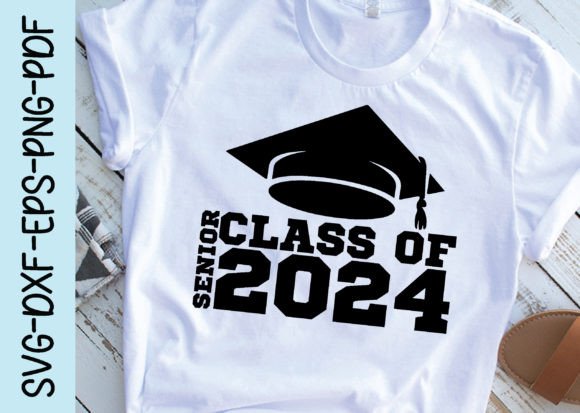
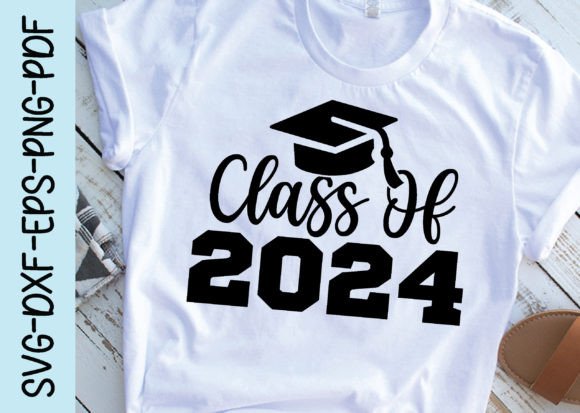
As a designer who spends half my life digitizing files and the other half testing them on actual fabric, I have learned that not every digital asset translates well to thread. We live in an era where Crafts and digital Graphics intersect constantly, but there is a distinct difference between a file that looks good on a screen and one that stitches out cleanly on a garment. Recently, I evaluated the Class of 2024 Svg,Graduation Svg Design to determine its viability for real-world embroidery projects. This is not just a review of pixels; it is an assessment of how this design performs when subjected to the mechanical realities of an embroidery machine.
First Impressions and Visual Personality
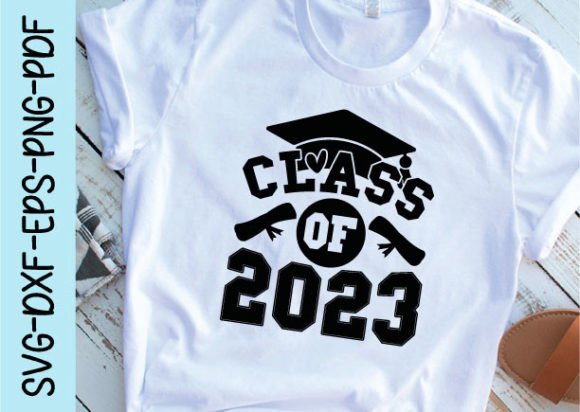
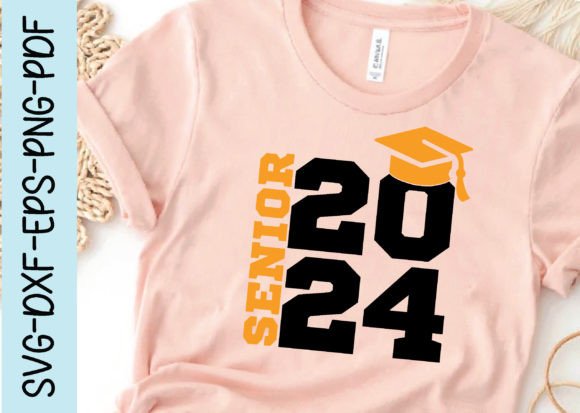
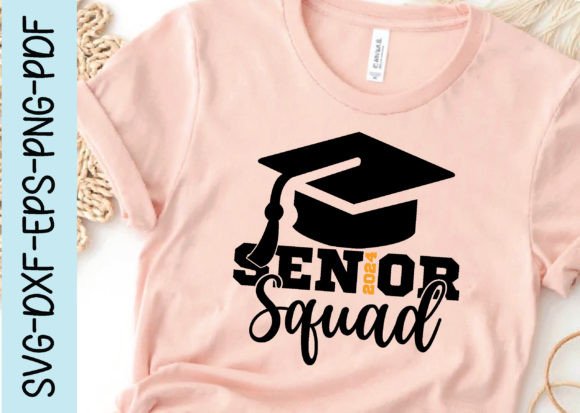
When I first opened the files included in the class of 2024 svg INSTANT DOWNLOAD Contains the SVG, PNG,DXF,PDF and EPS files in High resolution files. Can be printed on anything such as T-shirt, Mug, Sign or Stickers and more This listing is for, my immediate observation was regarding the layout simplicity. For embroidery, simplicity is often a virtue. Complex gradients and tiny details found in high-resolution PNGs do not always survive the conversion to stitch data. However, since this package provides vector-based formats like SVG, DXF, and EPS, we have the flexibility to manipulate the shapes before digitizing or using them with cutting machines.
The mood of the design is celebratory yet clean. It avoids the clutter that often plagues graduation-themed artwork. For an embroidery designer, this means fewer jump stitches and a lower risk of thread breaks. The visual personality suggests professionalism, making it suitable for both personal keepsakes and boutique merchandise. It feels modern, which is crucial for a milestone year like 2024, where trends lean toward minimalist aesthetics rather than ornate, vintage styles.
Real-World Application Scenarios
To truly test a design, you must imagine it on a specific product. I visualized this design on a custom embroidered tote bag. Tote bags are popular handmade product items for graduation gifts because they are practical and offer a large, flat canvas. The bold lines of the graduation theme would stand out well against canvas fabric, provided the stitch density is managed correctly. If the design is too dense, the bag might pucker; if too light, the fabric grain could show through.
Another strong candidate for this design is sweatshirt embroidery. A crewneck sweatshirt in school colors, featuring this design on the left chest or centered on the back, creates a high-value personalized gift. The texture of fleece or cotton blend requires careful attention to stabilizer choice. I would recommend a cut-away stabilizer for sweatshirts to ensure the design remains stable after repeated washing, which is likely for a item meant to be worn proudly during graduation season.
For Etsy seller audiences, this design also works well for embroidered patch creation. Patches allow for higher stitch densities without worrying about garment distortion. A satin stitch border around the design elements could give it a premium, finished look that appeals to buyers looking for unique small shop product items. The versatility of the included PDF and EPS files also allows for creating printable mockup assets, helping sellers showcase their design assets effectively online before stitching a single thread.
Technical Considerations and Fabric Constraints
While the design is versatile, it is not without its challenges. One must consider the hoop size relative to the design dimensions. If you are working with a small 4x4 hoop, you may need to scale the design down, which risks losing clarity in any smaller text elements. Always inspect the design at 100% zoom to identify any areas that might become problematic when reduced.
Fabric texture plays a significant role here. On smooth quilting cotton, the design will appear crisp. However, on textured fabrics like terry cloth towels or waffle-weave blankets, fine details may get lost. In such cases, increasing the thread colors contrast becomes essential. Using a bright white thread on a dark navy towel, for example, ensures visibility. Conversely, on stretchy fabrics like performance tees, the design must be digitized with underlay stitches that secure the fabric without causing puckering. Since this is a vector-based package, you have the control to adjust these parameters if you are digitizing it yourself, or you can use it as a reference for existing machine embroidery designs.
Be cautious with curved surfaces like caps. While the design could work on a cap front, the curvature might distort wider elements. A running stitch outline might be preferable to a heavy fill stitch in these areas to maintain flexibility and comfort. Always test on scrap fabric first. This is non-negotiable for professional results. Check how the applique design elements, if any, interact with the base fabric. If the design includes solid areas, consider whether a satin stitch or a fill stitch is more appropriate for your machine’s capabilities.
Enhancing Product Value and Brand Consistency
From a business perspective, the quality of your digital embroidery file directly impacts customer trust. A clean, well-executed embroidery project signals professionalism. When customers see a neat finished product with no loose threads or distorted shapes, they are more likely to return. This design, with its clear lines and thematic relevance, supports brand consistency for shops specializing in seasonal or milestone events.
Using this design in commercial embroidery requires due diligence. While the listing mentions instant download and multiple file types, it is vital to confirm licensing terms. Can you sell the custom apparel you create? Can you resell the digital files? Most designers allow selling finished physical items but prohibit redistributing the digital files. Always read the specific license included in the download. Assuming commercial use is permitted for physical goods, this design fits well into a lineup of holiday embroidery or end-of-year celebration products.
Practical Designer Notes for Execution
- Test Stitch Out: Never run the final design on the client’s garment immediately. Use similar scrap fabric to check for registration issues.
- Color Contrast: Review the design in black and white to ensure all elements are distinguishable without color cues. This helps in selecting effective thread colors.
- Stabilizer Selection: Match the stabilizer to the fabric weight. Heavy designs need heavy support; lightweight fabrics need tear-away or cut-away depending on stretch.
- Detail Inspection: Zoom in on the SVG or EPS files. Look for nodes that are too close together, which might cause needle deflection or thread bunching.
- Licensing Verification: Confirm if the license covers mass production or limited runs. Respect the creator’s rights while building your craft business.
In conclusion, the Class of 2024 Svg,Graduation Svg Design offers a solid foundation for various embroidery applications. Its strength lies in its adaptability across different mediums, from tote bag design to baby embroidery on onesies. By paying attention to technical details like stitch density and fabric compatibility, designers can transform this digital asset into a high-quality tangible product. It is a reliable choice for those looking to add timely, relevant content to their portfolio without sacrificing professional standards.