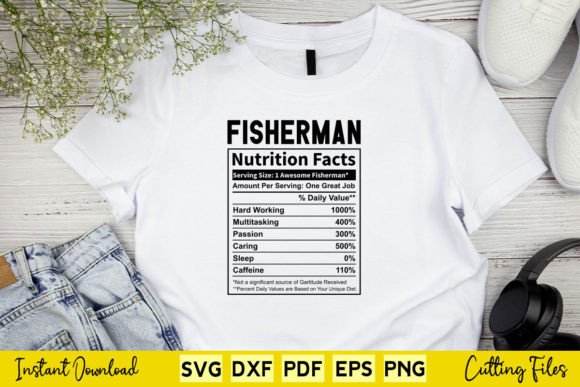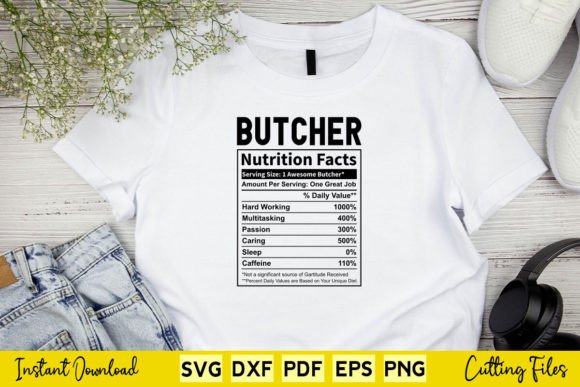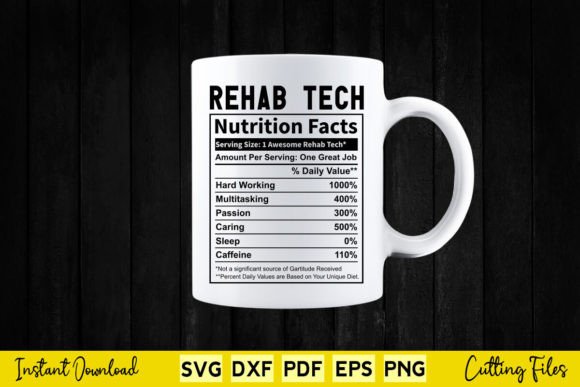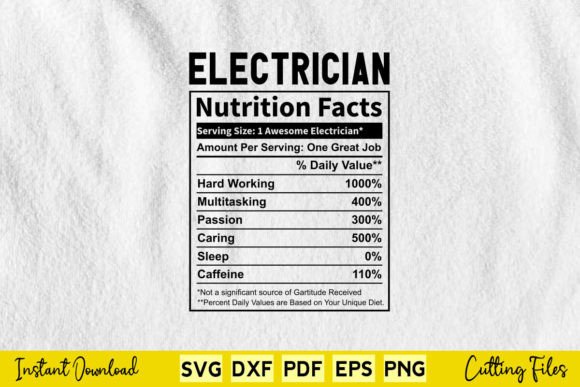
Review: Funny Physical Therapist Facts SVG for Embroidery
As a designer who has spent countless hours digitizing and stitching out files for clients, I approach every new machine embroidery design with a mix of curiosity and caution. We have all been there: you download a file that looks crisp on the screen, only to find it turns into a tangled mess of thread breaks and puckering once it hits the hoop. Today, I am taking a close look at the Funny Physical Therapist Facts Svg, evaluating it not just as a digital asset, but as a viable component for real-world crafts and commercial projects.
This particular piece falls under the category of Graphics intended for transfer, but my focus is strictly on how it translates to needle and thread. The theme is niche, humorous, and targeted directly at healthcare professionals who spend their days helping patients regain mobility. But does the visual personality hold up when stitched onto fabric? Let’s dive into the practical details.
First Impressions and Visual Personality
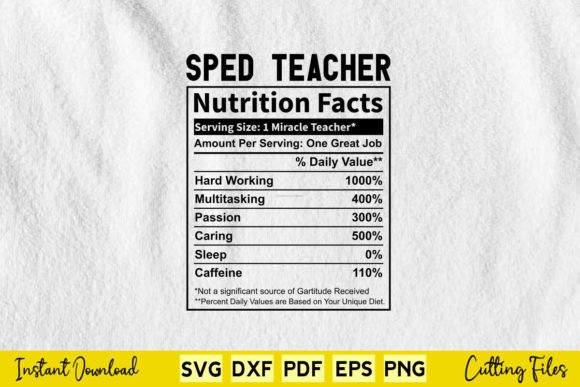
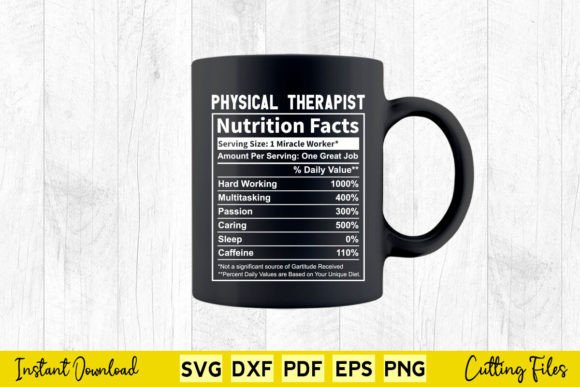
The first thing that strikes me about the Funny Physical Therapist Facts Svg is its bold, straightforward layout. It relies heavily on typography, which is always a double-edged sword in embroidery. Text-based designs require precise digitizing to ensure legibility, especially if the font includes thin serifs or tight kerning. From a design perspective, the mood is lighthearted and professional, making it an ideal candidate for custom apparel meant to break the ice in a clinical setting.
The shape and structure suggest a design that would work well with a combination of satin stitch for borders or smaller text elements and fill stitch for larger letters or background shapes. However, because this is originally marketed as an SVG for printing on items like mugs and t-shirts, we must assume the lines are vector-based and clean. This is good news for us embroiderers, as clean vectors usually translate better into digitized paths than pixelated images do.
Real-World Application: The Custom Sweatshirt Test
To truly evaluate this design, I imagined a specific scenario: a local physical therapy clinic ordering branded merchandise for their staff appreciation week. They want something fun but not childish. I pictured placing the Funny Physical Therapist Facts Svg on the left chest of a high-quality cotton blend sweatshirt embroidery project.
In this context, the design shines. It serves as a conversation starter, adding a layer of humanity to the medical profession. For an Etsy seller or small shop product creator, this type of niche-specific humor is gold. It targets a specific audience—physical therapists—who are often underserved in the gift market compared to nurses or doctors. By using this design, you are not just selling a shirt; you are selling recognition and camaraderie.
Beyond sweatshirts, consider the versatility. This design could easily be adapted for a sturdy canvas tote bag design, where the larger scale allows for more intricate stitching without worrying about fabric distortion. It could also work on a structured cap, provided the text is simplified to avoid excessive density on the curved surface.
Technical Considerations for Stitching
Here is where the rubber meets the road. Since the Funny Physical Therapist Facts Svg is a digital product intended for various prints, it does not come with pre-defined stitch data. You, the designer, must digitize it or convert it carefully. Here are my critical notes for ensuring a high-quality finished product:
- Stitch Density: Text can become stiff if the stitch density is too high. Keep fill stitches light, especially if you are working on stretchy fabrics like jersey knits used in scrubs or athletic wear.
- Hoop Size: Confirm your hoop size before starting. If the phrase is long, you might need a 5x7 or even a 6x10 hoop to maintain proper proportions without shrinking the text to an unreadable size.
- Thread Colors: Contrast is key. Test your thread colors against the fabric. A dark thread on a dark scrub top will vanish. Use a running stitch outline if you need to define edges on low-contrast combinations.
- Stabilizer: Never skip the stabilizer. For textured fabrics or towels, a cut-away stabilizer provides the necessary support to prevent the design from pulling or distorting over time.
If you are planning to use this for an embroidered patch, consider adding a satin stitch border around the entire design to seal the edges and give it a polished, professional look. This adds durability, which is crucial for items that will undergo frequent washing.
Where to Use Caution
While the design is versatile, it is not universal. I would advise against using this specific layout on very small items like baby socks or tiny pocket squares unless you significantly simplify the text. Tiny lettering is the enemy of embroidery; if the stitches are too small, they will not form correctly, and the message will be lost.
Also, be mindful of fabric texture. On highly textured materials like terry cloth or fleece, fine details can get lost. In these cases, increasing the stroke width of the text during the digitizing phase is essential. Similarly, avoid placing dense text areas on curved surfaces like the front of a baseball cap unless you have advanced digitizing skills to compensate for the pull factors.
Boosting Value and Customer Trust
For creative entrepreneurs and handmade product sellers, the quality of your execution determines your brand consistency. A well-stitched Funny Physical Therapist Facts Svg signals professionalism. It shows that you understand the material limitations and have taken the time to produce a durable, attractive item.
This design fits perfectly into the realm of personalized gift markets. Imagine offering this as part of a holiday bundle for healthcare workers. The emotional connection created by a humorous, relevant design increases buyer engagement. It transforms a simple piece of clothing into a meaningful holiday embroidery keepsake.
When creating printable mockup previews for your online store, ensure you show the design on realistic textures. Customers need to see how the threads sit on the fabric. This transparency builds trust and reduces return rates.
Final Verdict and Licensing Notes
The Funny Physical Therapist Facts Svg is a strong contender for any designer looking to expand their portfolio in the medical niche. It offers a blend of humor and professionalism that resonates with its target audience. However, remember that this is a source file. To use it for commercial embroidery, you must ensure you have the right to create derivative works. Always check the license terms provided by the creator. If you are selling the digital embroidery file itself, ensure you are not violating any copyright restrictions regarding the original graphic.
Before launching your next craft business campaign, test the design on scrap fabric. Check the back of the hoop for excessive thread buildup. Verify that the applique design elements, if any, are secure. By treating this SVG with the technical respect it deserves, you can turn a simple graphic into a best-selling design asset for your shop.
In conclusion, whether you are decorating aprons for a clinic party or creating unique baby embroidery gifts for therapist parents, this design holds promise. It requires thoughtful digitizing and careful material selection, but the result can be a standout piece in your collection of embroidery project successes.